
The Publishing Development Workshop of the Journal of Management Studies (hereinafter referred to as JMS) was held at Nankai University Business School on October 26–27, 2026.Professor Johann Fortwengel, Editor-in-Chief of JMS, and Associate Editors Professor Patrick Haack and Professor Lin Cui were invited to participate. The workshop focused on themes including theoretical contribution, journal selection, and high-quality qualitative research, and included three rounds of paper presentations and editorial feedback, attracting young faculty members and doctoral students from more than ten universities at home and abroad, including Tsinghua University and Peking University. The event was chaired by Professor Tian Li, Chair of the Department of Business Administration.
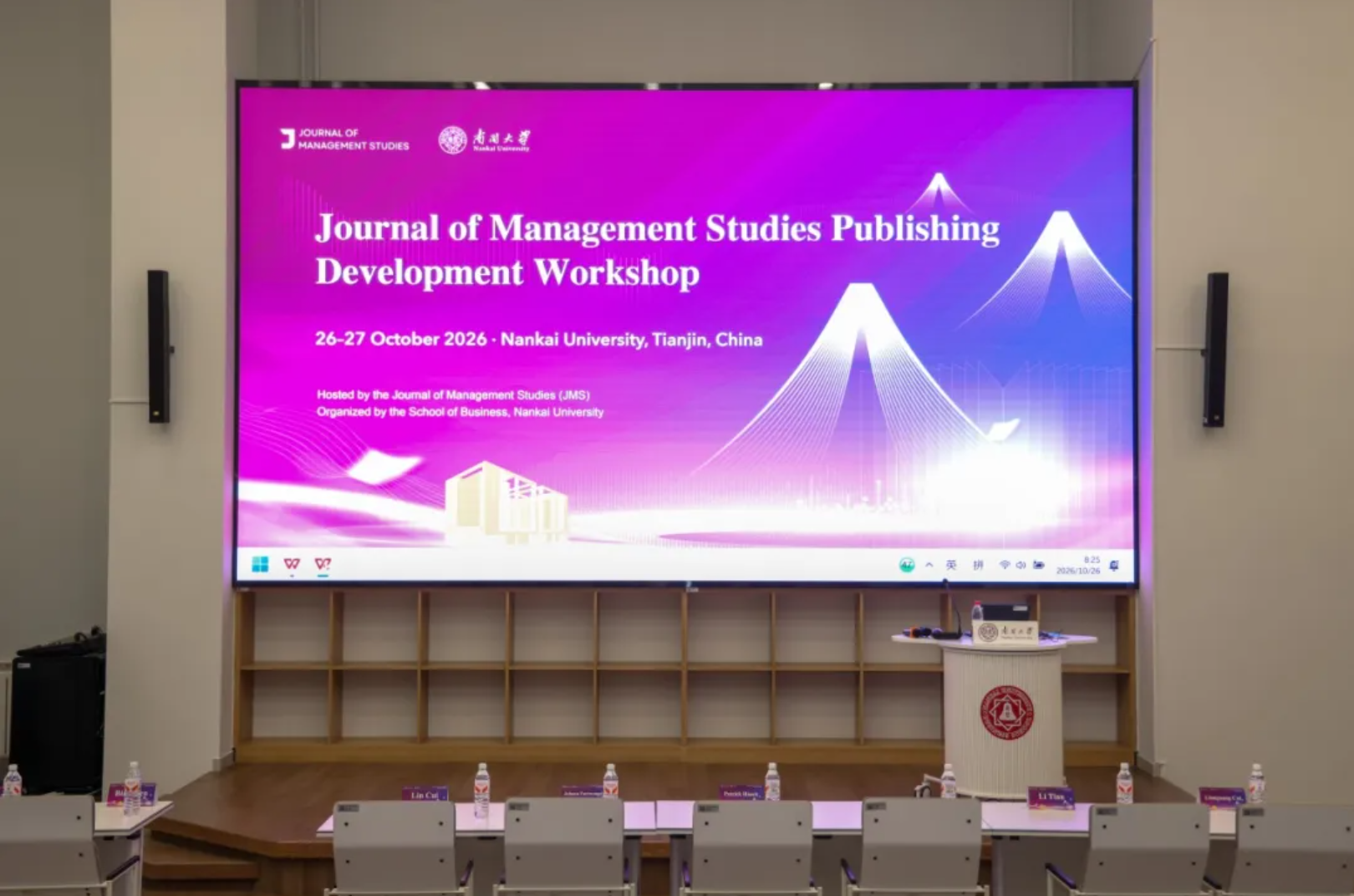
Scene of the JMS Publishing Development Workshop
On the morning of October 26, the workshop held its opening ceremony. Professor Cui Lianguang, Vice Dean of Nankai University Business School, delivered a welcome address. He introduced the School's development strategy of rooted in China, oriented toward the world, and its exploration of promoting the cross-disciplinary integration of management research with fields such as artificial intelligence, finance, and healthcare. He stated that China's economic and social development provides rich real-world contexts for management research, and expressed the expectation that participating scholars would take this opportunity to engage in in-depth exchanges with editors of international journals and continuously improve their research findings. Professor Tian Li, Dean of the College of Innovation and Entrepreneurship of Nankai University and Chair of the Department of Business Administration, chaired the relevant sessions of the workshop and participated in guidance on paper development.
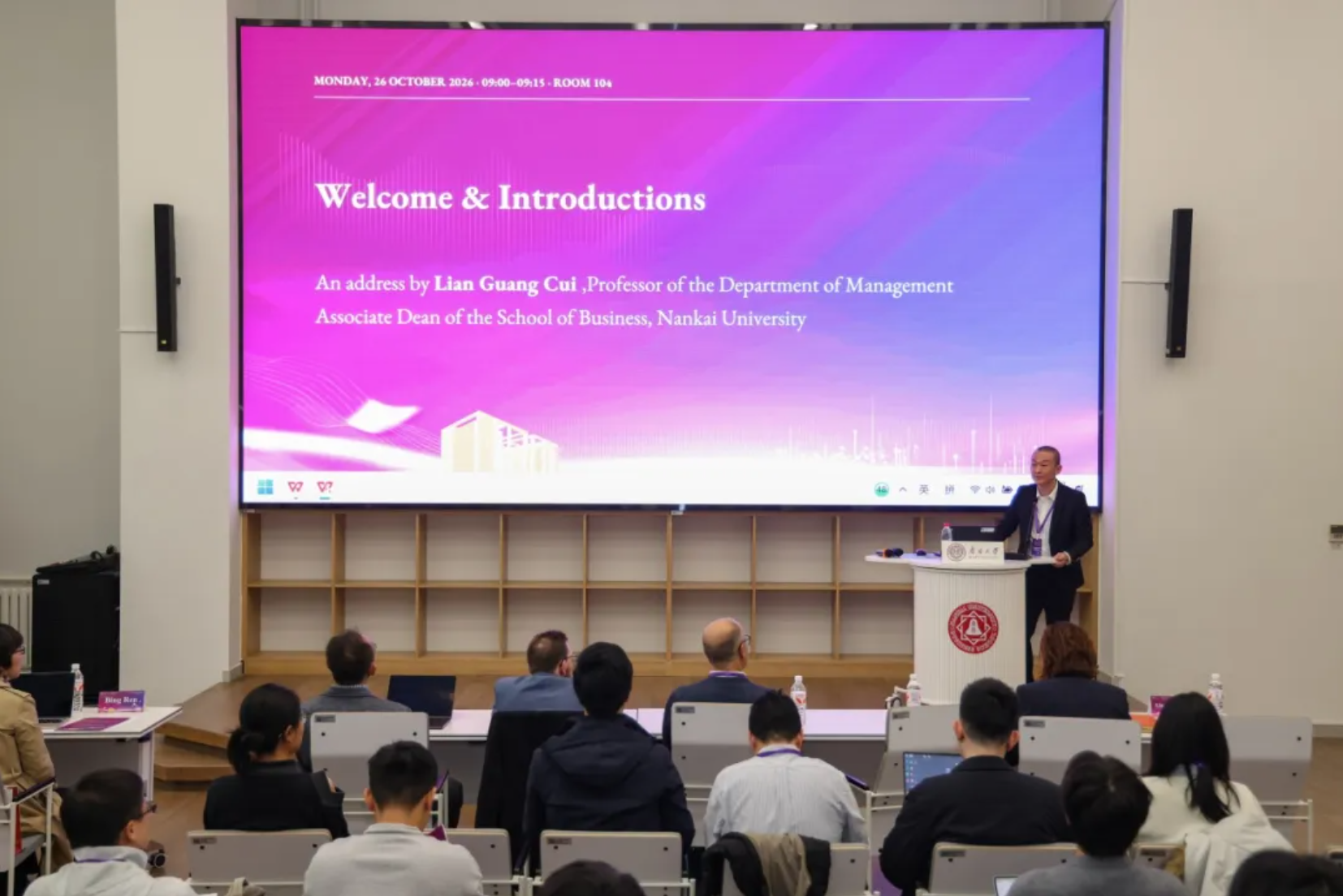 Professor Cui Lianguang delivering the welcome address
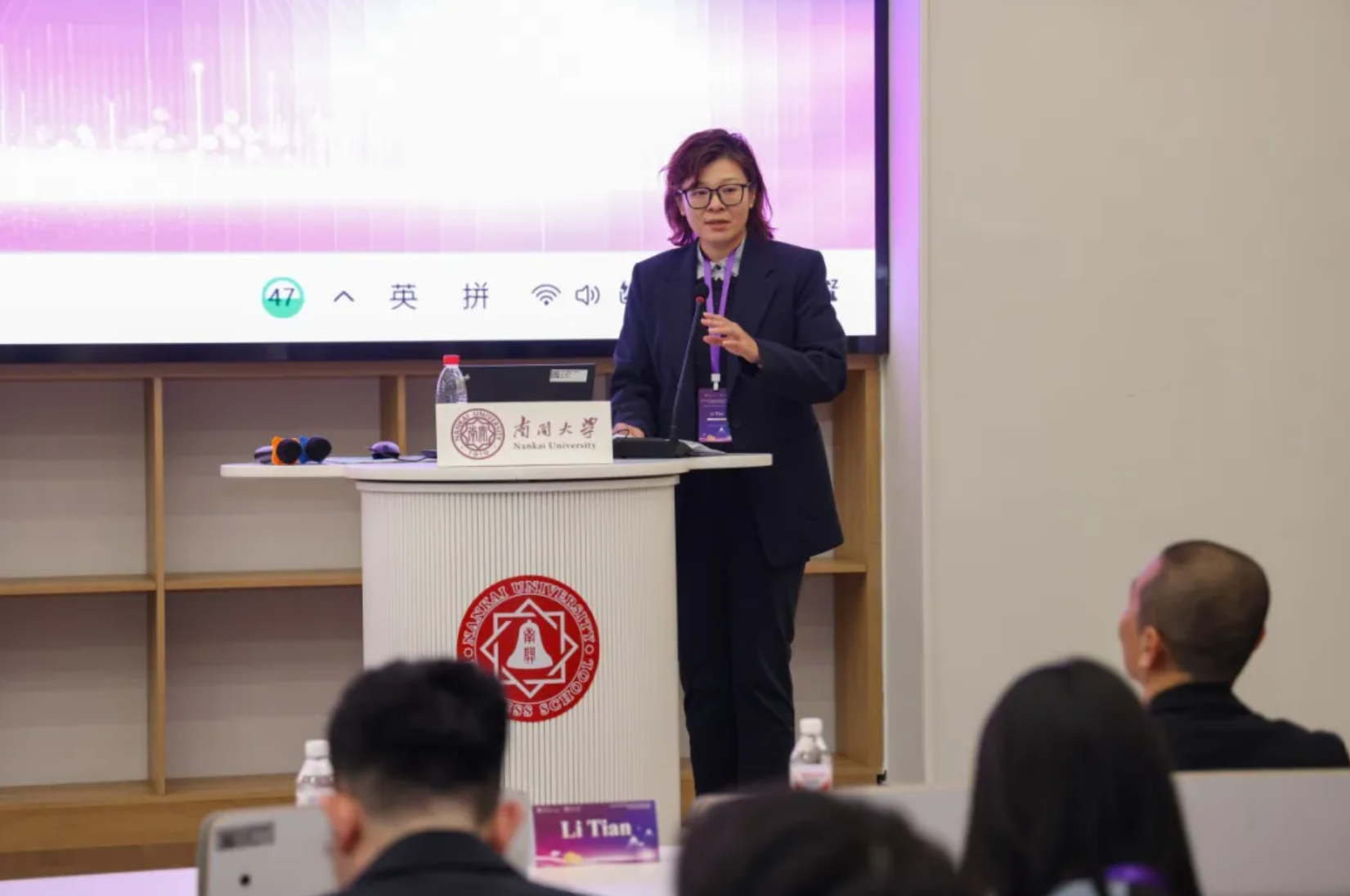 Professor Tian Li chairing the meeting
After the opening ceremony, the workshop entered the thematic session Introduction to JMS, Theoretical Contribution, and Journal Selection. Professor Johann Fortwengel, Editor-in-Chief of JMS, first introduced JMS's journal positioning, manuscript types, review process, and submission suggestions. As an important generalist journal in the field of international management, JMS focuses on high-quality research with clear theoretical contributions, and also encourages researchers to choose appropriate research methods and modes of expression according to the question itself.
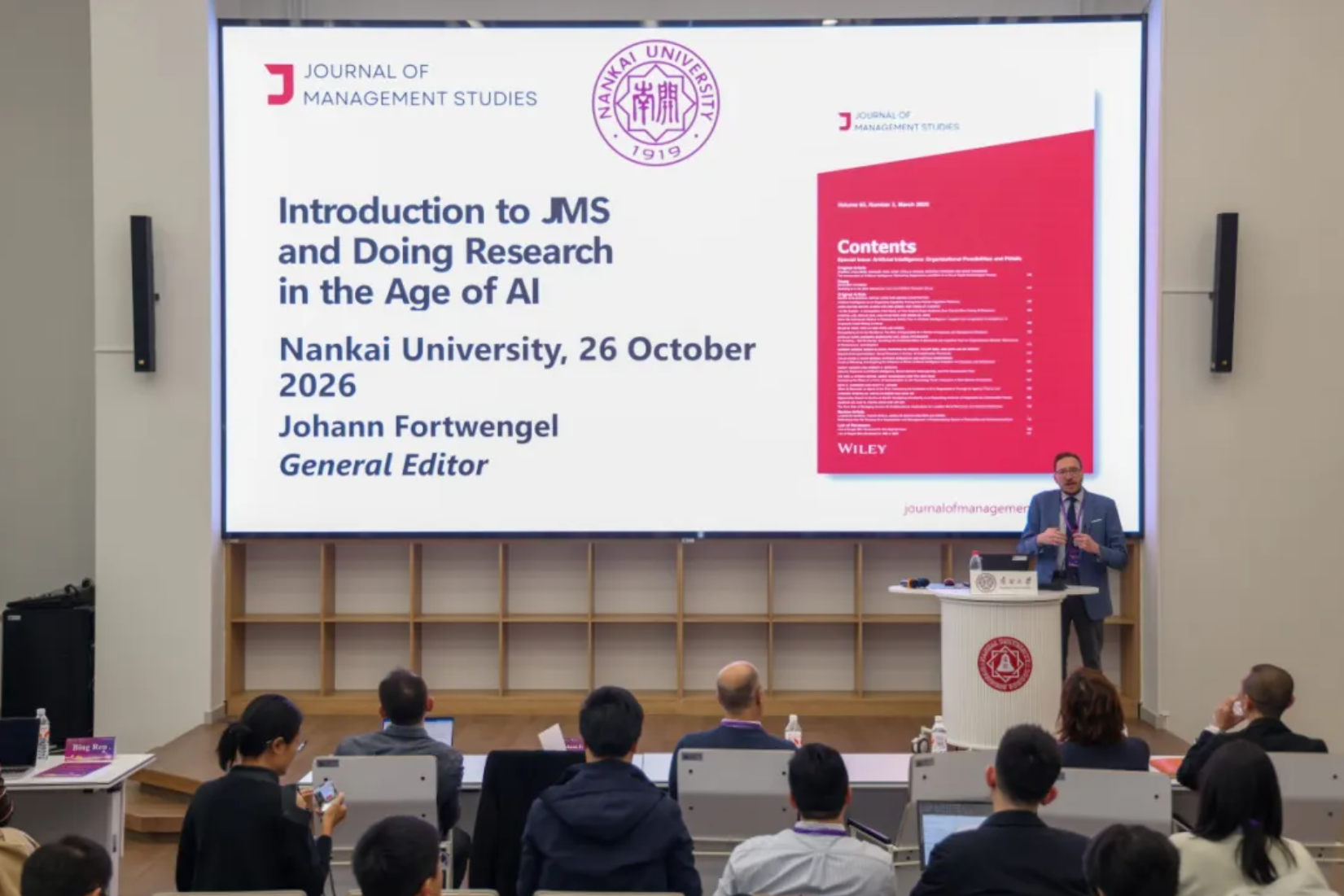 Professor Johann Fortwengel introducing the journal
Professor Patrick Haack, Associate Editor of JMS, delivered a presentation titled Crafting a Theoretical Contribution. He observed that new empirical evidence, the routine application of existing theory, or the mere identification of a literature gap does not in and of itself constitute a theoretical contribution. What is more essential is explaining why the research question merits attention and how the research findings advance existing theoretical understanding. Drawing on the interplay between theory and method, and anchored in the craft of writing the paper's introduction, he outlined ways to sharpen research questions and engage in scholarly dialogue.
Professor Lin Cui, Associate Editor of JMS, shared his views on phenomenon-driven research and theoretical innovation. He emphasized that research questions need to be grounded in important management phenomena and that theoretical explanations should be supported by solid empirical evidence and rigorous logical reasoning. In hypothesis development, researchers should avoid conclusions that are too obvious and also avoid logical chains that lack persuasiveness. Researchers can start from real-world contexts such as cross-national comparison, institutional differences, and environmental uncertainty to identify problems that existing theories still find difficult to explain, and to seek research entry points that are both novel and theoretically significant.
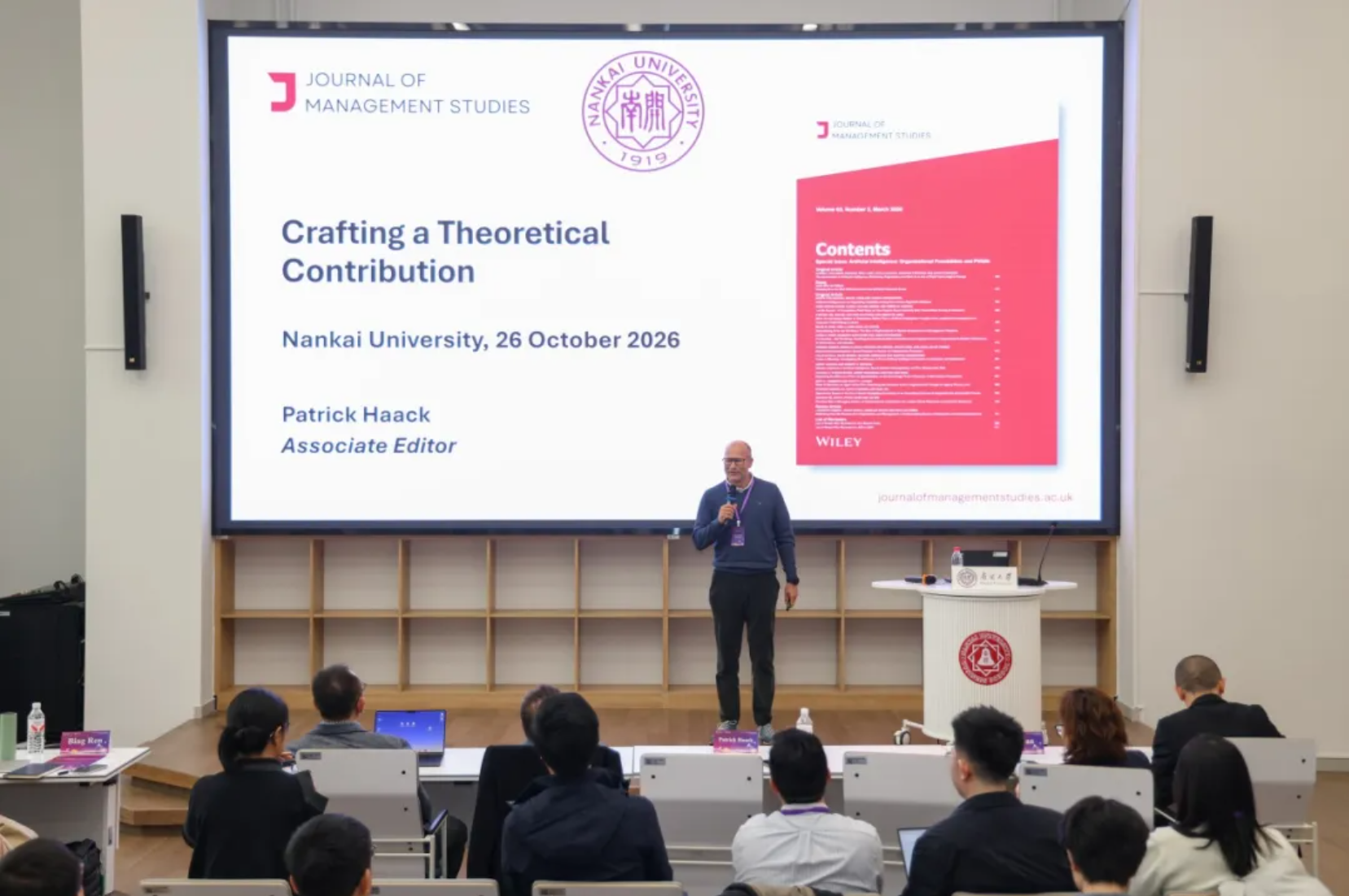 Professor Patrick Haack giving a thematic presentation
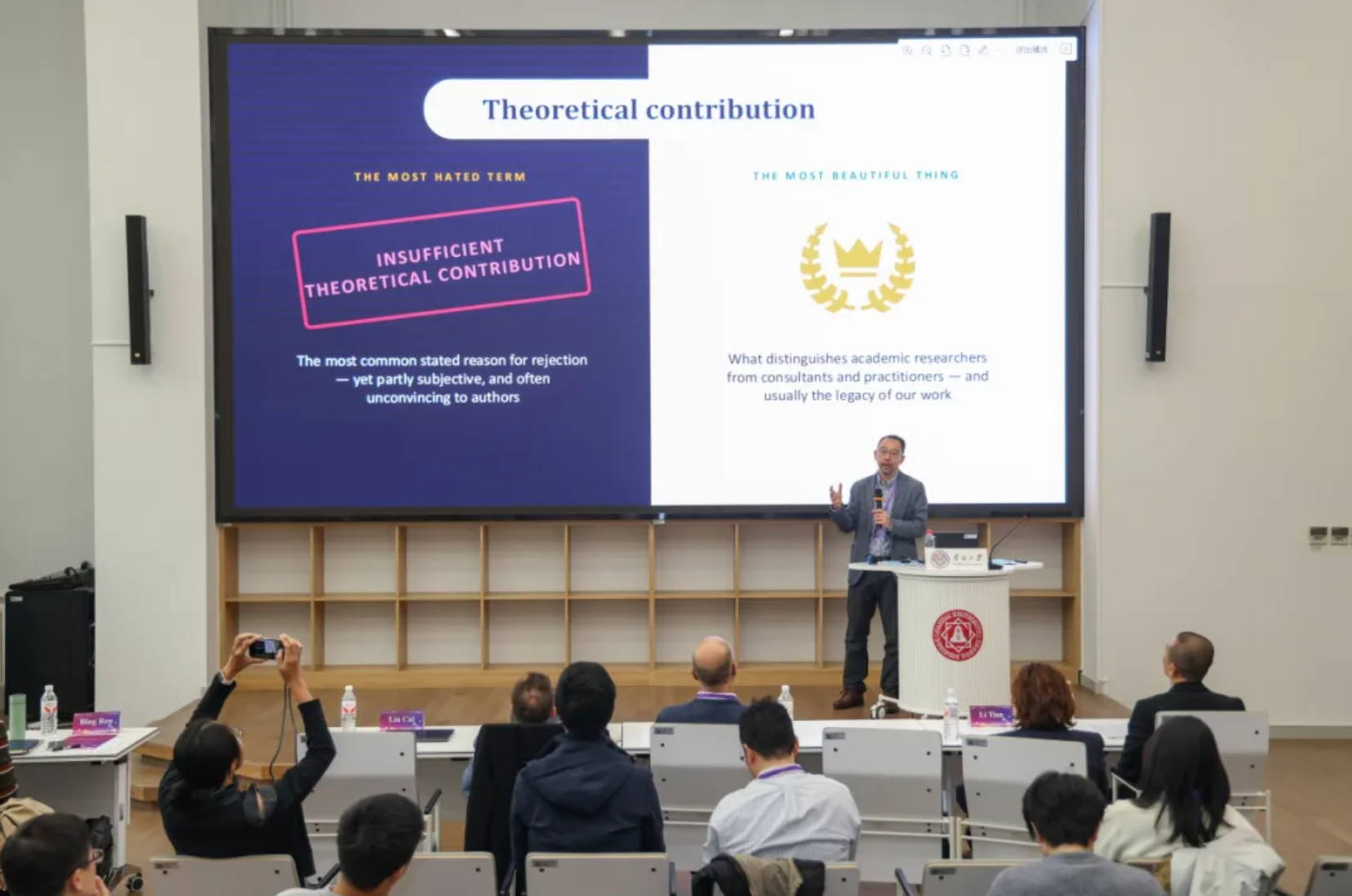 Professor Lin Cui giving a thematic presentation
After the thematic presentations, the workshop successively held the first two rounds of paper presentations. According to the conference arrangement, each round included 12 working papers. Participating scholars presented their research findings in parallel sessions, and the three JMS editors each provided targeted feedback. Each paper was allocated 10 minutes for presentation and 20 minutes for expert commentary. The discussions focused on research topics, theoretical contributions, research design, data analysis, and paths for paper improvement, and also involved issues such as journal selection and submission strategies.
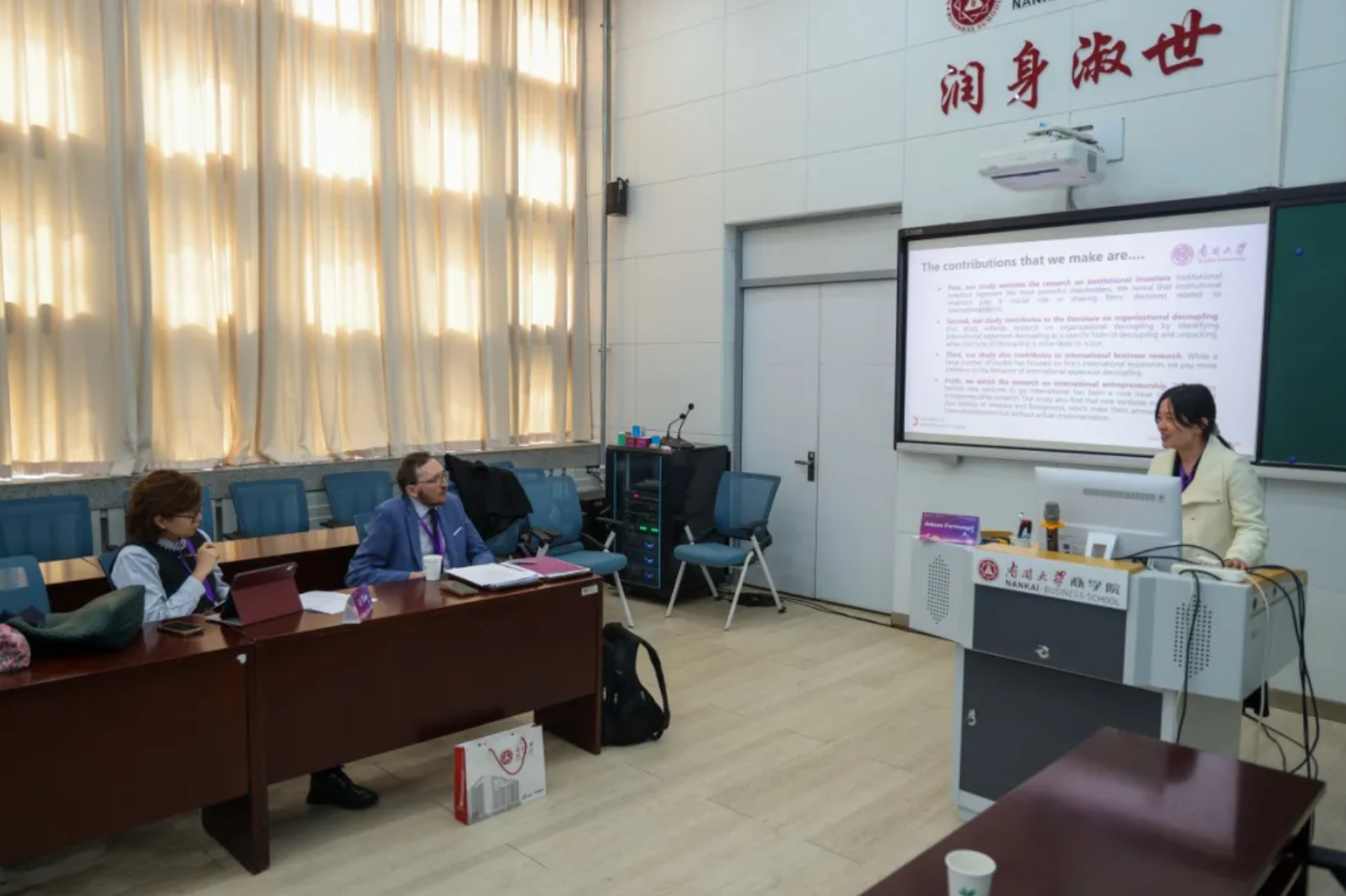
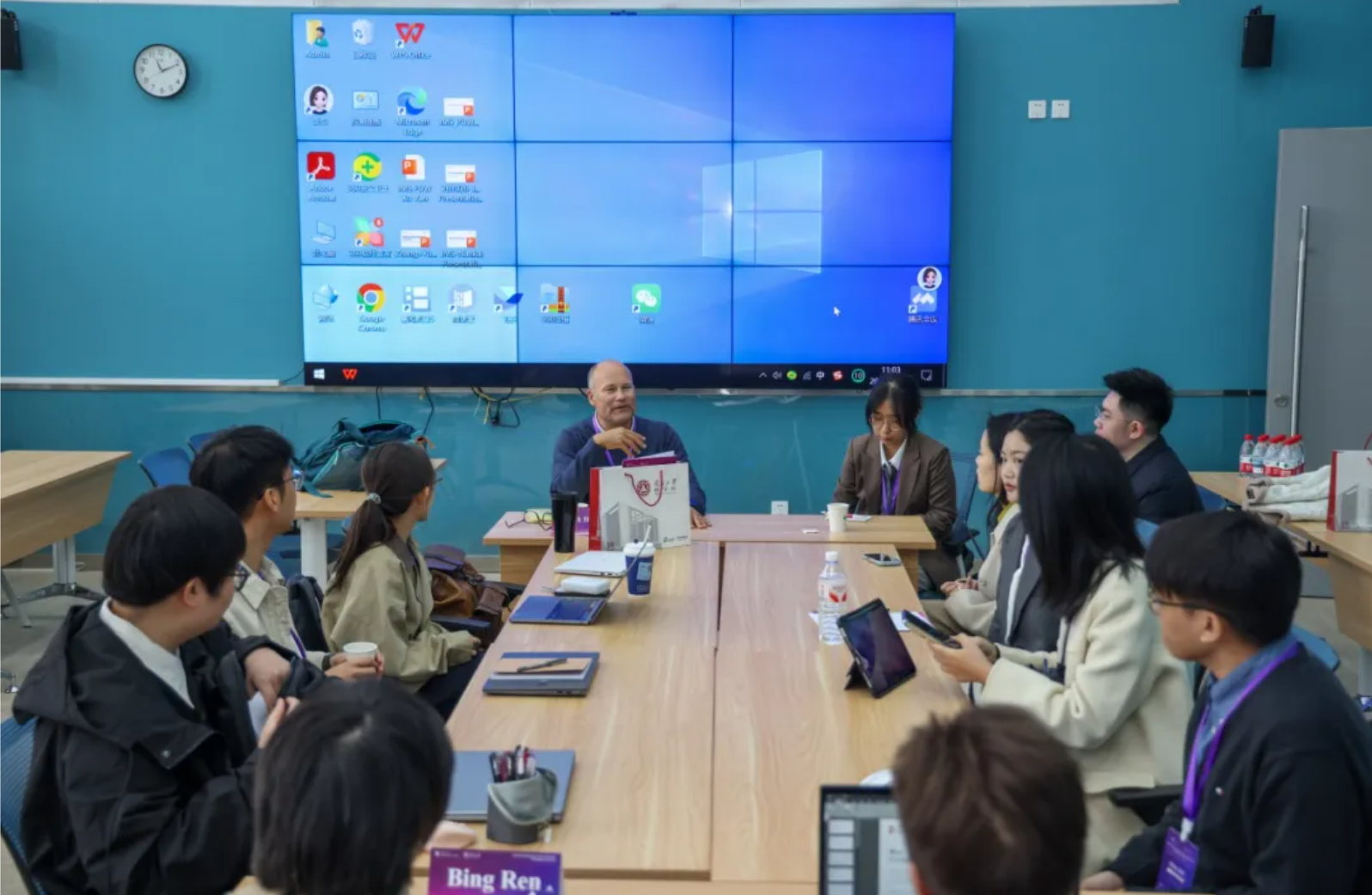
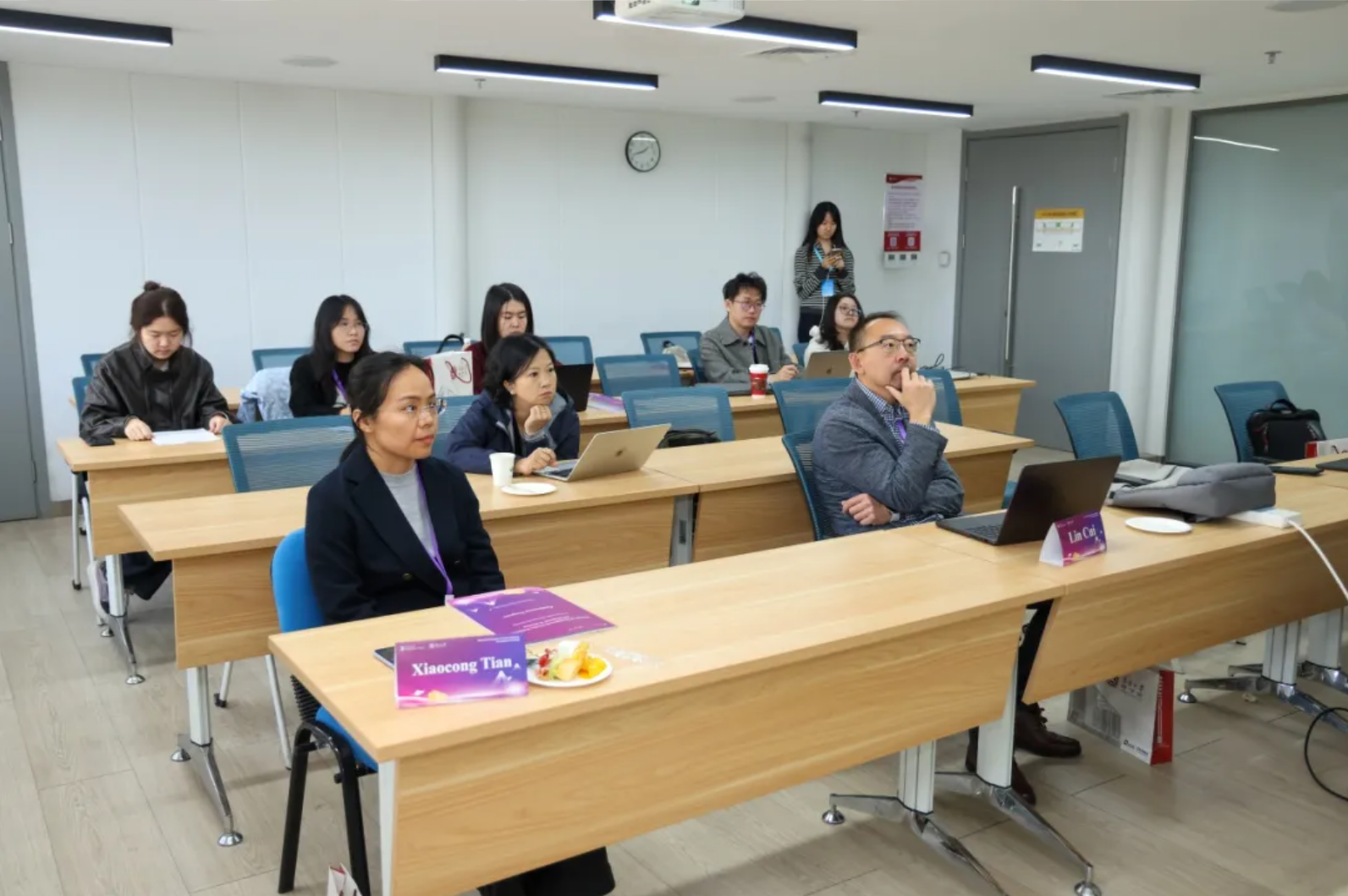 Paper presentations and discussions in parallel sessions
On the morning of October 27, Professor Johann Fortwengel, Editor-in-Chief of JMS, delivered a thematic presentation titled How to Do High-Quality Qualitative Research (How to Conduct High-Quality Qualitative Research). Drawing on his own research and editorial work experience, he systematically explained key stages such as case selection, research design, data collection, deductive and inductive reasoning, coding analysis, and the presentation of research findings. He pointed out that qualitative research needs to strike a balance between respecting the complexity of reality and distilling clear theoretical explanations, and to establish credible theoretical arguments through systematic case selection and evidence analysis. After the presentation, he exchanged views with faculty and students on topics such as the formulation of research questions and the development opportunities for qualitative research in the era of big data and artificial intelligence.
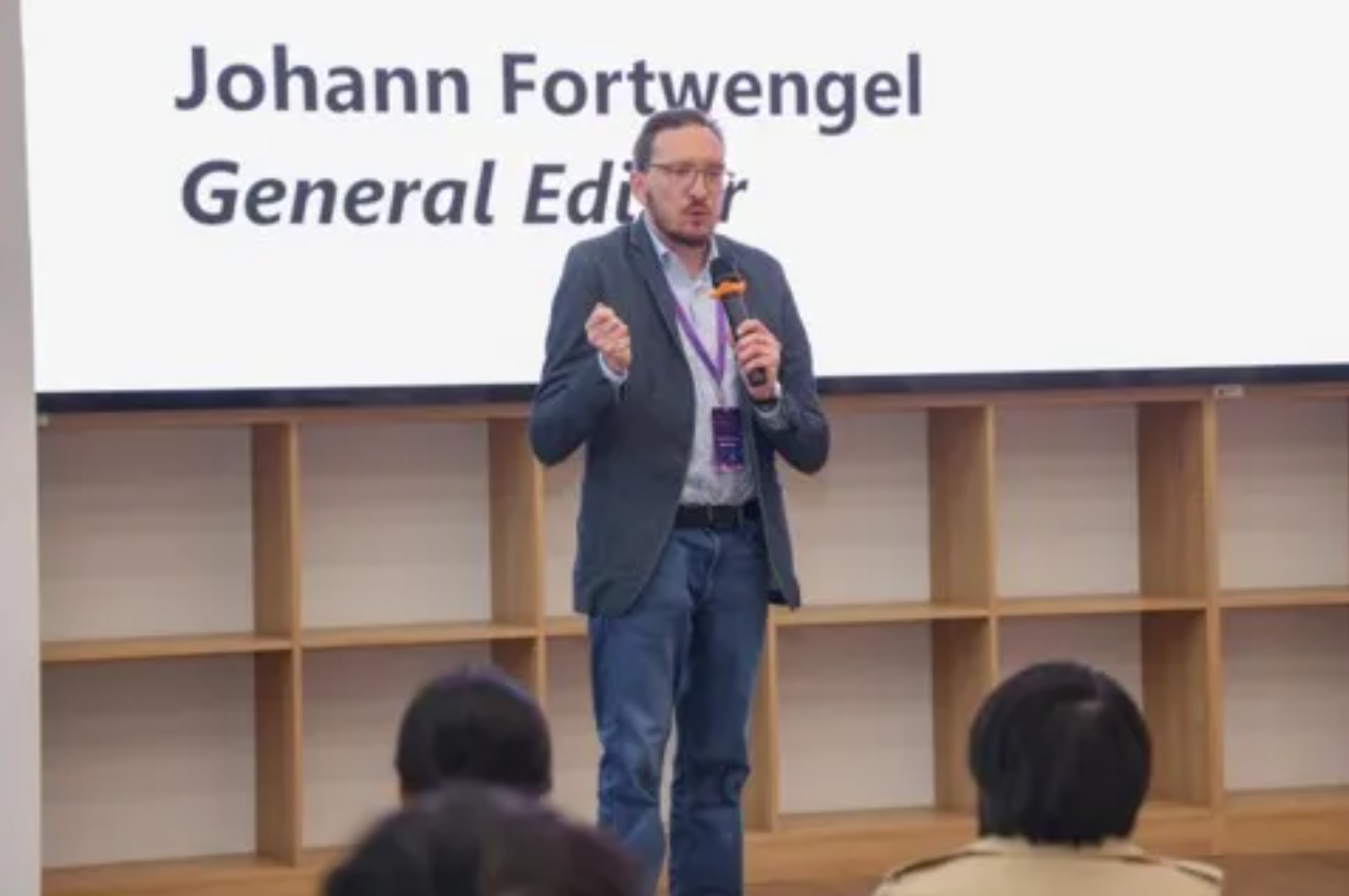 Professor Johann Fortwengel lecturing on high-quality qualitative research methods
From 10:30 to 12:30 on October 27, the workshop held the third round of paper presentations and expert feedback, and then closed. According to the conference agenda, a total of 36 working papers were presented across the three rounds, providing authors with opportunities to discuss research design, expand theoretical thinking, and improve paper writing through structured presentations and paper-by-paper commentary.
The two-day workshop combined thematic presentations with face-to-face guidance on working papers. It not only conveyed the expectations of international management journals regarding theoretical contribution and research quality, but also provided specific suggestions for scholars to further improve their research findings. The event promoted academic exchange between Nankai University Business School and the domestic and international management academic community, and provided a platform for Chinese management research to participate more deeply in international academic dialogue.
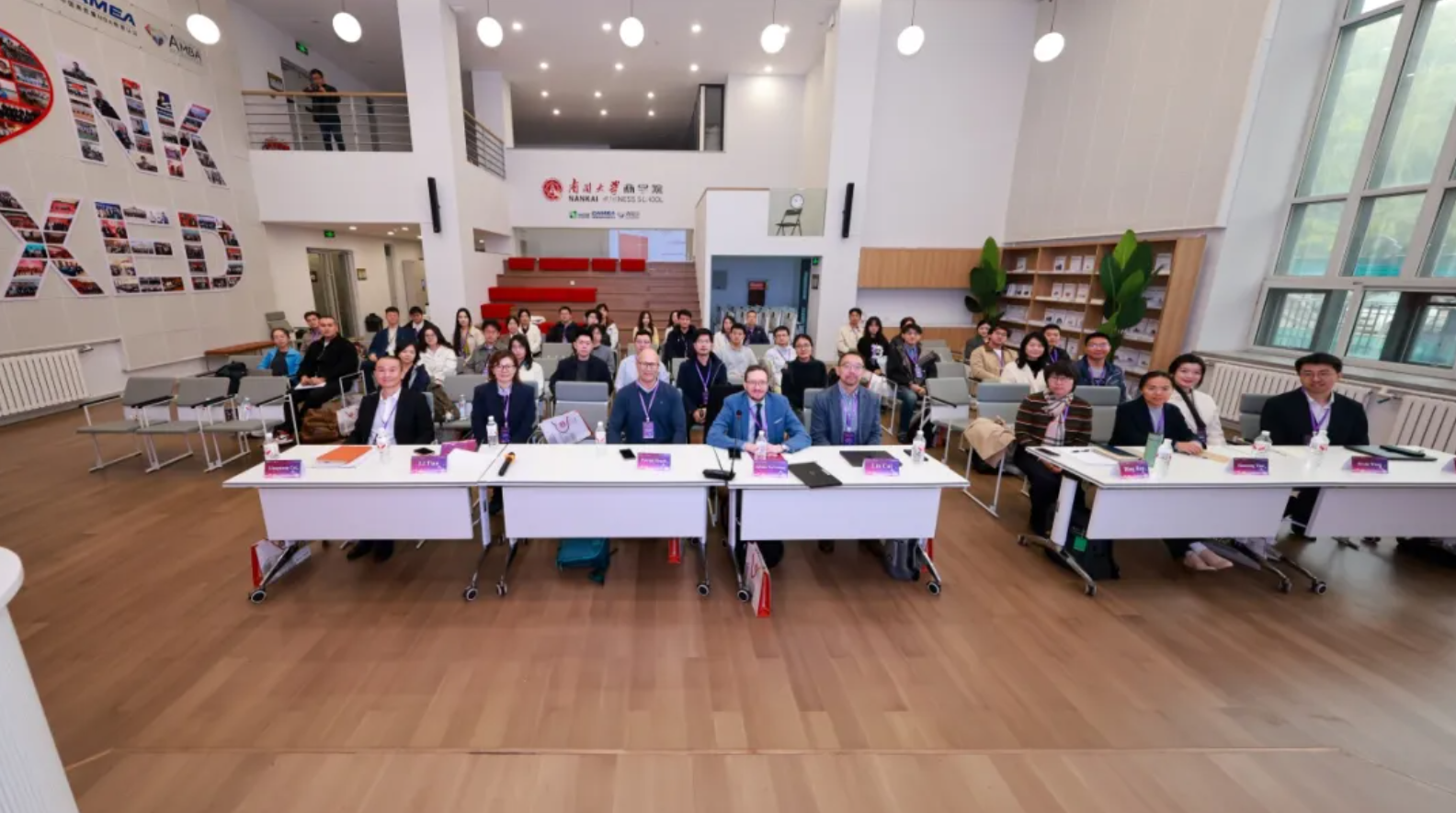
Group photo of distinguished guests, faculty members, and students



